


Top Tips for Effective Dog Training at Home

Training your dog at home can be a rewarding experience, but it can also present challenges. Whether you are a first-time dog owner or have had several furry companions, effective training is essential for a happy and well-behaved pet. In this post, we will explore practical tips and techniques to help you train your dog successfully in the comfort of your home.
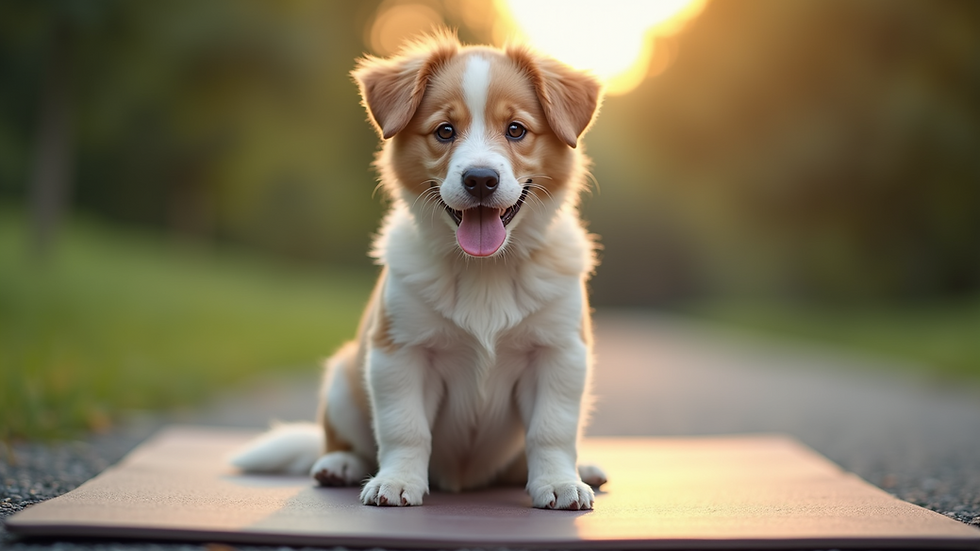
Understanding Your Dog's Behavior
Before diving into training techniques, it's crucial to understand your dog's behavior. Dogs communicate through body language and vocalizations. Observing these signals can help you respond appropriately and create a positive training environment.
Key Behaviors to Observe
Tail Position: A wagging tail often indicates excitement or happiness, while a tucked tail may signal fear or submission.
Ears: Erect ears show alertness, while flattened ears can indicate anxiety or aggression.
Posture: A relaxed posture suggests comfort, while a stiff stance may indicate stress or aggression.
By understanding these behaviors, you can tailor your training approach to meet your dog's needs.
Establishing a Training Routine
Consistency is key when it comes to dog training. Establishing a routine helps your dog understand what to expect and reinforces learning.
Creating a Schedule
Set Specific Times: Choose specific times each day for training sessions. Short, frequent sessions (5-10 minutes) are often more effective than longer ones.
Incorporate Training into Daily Activities: Use everyday moments, like feeding or walking, as training opportunities. For example, ask your dog to sit before serving their meal.
Choosing the Right Environment
Select a quiet, distraction-free area for training. This will help your dog focus on you and the tasks at hand. As your dog becomes more proficient, gradually introduce distractions to help them learn to stay focused in different environments.
Using Positive Reinforcement
Positive reinforcement is one of the most effective training methods. It involves rewarding your dog for desired behaviors, which encourages them to repeat those behaviors.
Types of Rewards
Treats: Use small, tasty treats that your dog loves. Make sure to choose healthy options to avoid overfeeding.
Praise: Verbal praise and petting can be powerful motivators. Use an enthusiastic tone to convey your approval.
Playtime: Some dogs respond well to play as a reward. Incorporate their favorite toy or game into the training session.
Timing is Everything
To reinforce a behavior effectively, reward your dog immediately after they perform the desired action. This helps them make the connection between the behavior and the reward.
Teaching Basic Commands
Basic commands are the foundation of good behavior. Here are some essential commands to teach your dog:
Sit
Hold a treat close to your dog's nose.
Move your hand up, allowing their head to follow the treat. This will cause their bottom to lower.
Once they are in a sitting position, say "Sit" and give them the treat.
Stay
Ask your dog to sit.
Open your palm in front of you and say "Stay."
Take a few steps back. If they stay, return and reward them. Gradually increase the distance and duration.
Come
Put a leash on your dog and let them wander a short distance away.
Call their name followed by "Come" in a cheerful tone.
When they come to you, reward them with a treat and praise.
Addressing Behavioral Issues
Training is not just about teaching commands; it's also about addressing unwanted behaviors. Here are some common issues and how to tackle them:
Jumping
Ignore the Behavior: When your dog jumps, turn away and avoid eye contact. Only give attention when all four paws are on the ground.
Reward Calm Behavior: When your dog remains calm, reward them with treats and praise.
Barking
Identify Triggers: Observe what causes your dog to bark. Is it strangers, other dogs, or boredom?
Redirect Attention: Use commands like "Sit" or "Come" to redirect their focus when they start barking.
Socialization is Key
Socializing your dog is crucial for their development. Exposing them to different people, environments, and other animals helps them become well-adjusted adults.
Tips for Socialization
Introduce New Experiences Gradually: Start with controlled environments, like meeting friends or family members.
Visit Dog Parks: Once your dog is comfortable, take them to dog parks to interact with other dogs.
Enroll in Classes: Consider enrolling in obedience classes or puppy socialization classes for structured learning.
Patience and Persistence
Training takes time, and every dog learns at their own pace. It's essential to remain patient and persistent throughout the process.
Dealing with Setbacks
Stay Calm: If your dog struggles with a command, take a break and try again later.
Adjust Your Approach: If a method isn’t working, consider trying a different technique or reward.
Involving the Family
Training should be a family affair. Involving everyone in the household ensures consistency and reinforces the training.
Family Training Sessions
Assign Roles: Designate specific commands or tasks for each family member to teach.
Practice Together: Schedule family training sessions to practice commands and reinforce learning.
Conclusion
Training your dog at home can be a fulfilling journey that strengthens your bond. By understanding your dog's behavior, establishing a routine, using positive reinforcement, and addressing behavioral issues, you can create a well-behaved companion. Remember, patience and consistency are key. Start with basic commands, socialize your dog, and involve your family in the process. With dedication and love, you will see your dog flourish.
Now that you have these tips, it’s time to put them into action. Grab some treats, find a quiet space, and start training your furry friend today!

Comments